National Disconnection Review
National Disconnection
Review
Foreword from CTOP Portfolio Directors
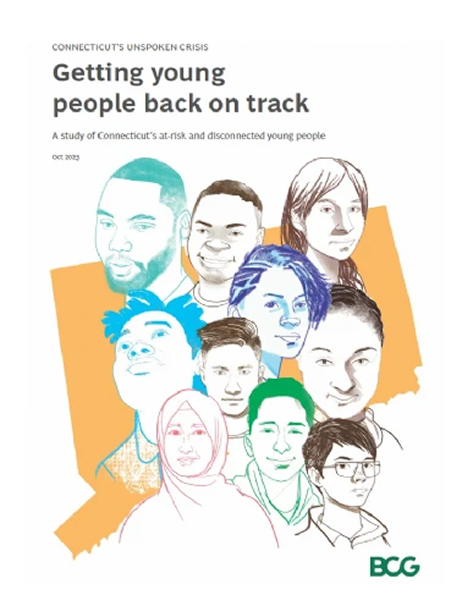
In October 2023, a report prepared by the Boston Consulting Group and published by Dalio Education revealed an unspoken crisis in Connecticut: 119,000 young people ages 14 to 26 are at risk of dropping out of high school or are disconnected from work and school entirely in our state, one of the wealthiest in the country. But we know disconnection is a crisis affecting young people beyond Connecticut.

Adhlere Coffy
Senior Portfolio Director, Connecticut Opportunity Project

Samantha Miller
Portfolio Director, Connecticut Opportunity Project

Adhlere Coffy
Senior Portfolio Director, Connecticut Opportunity Project
Methodology
Target Population

How
52
32
25

Programs
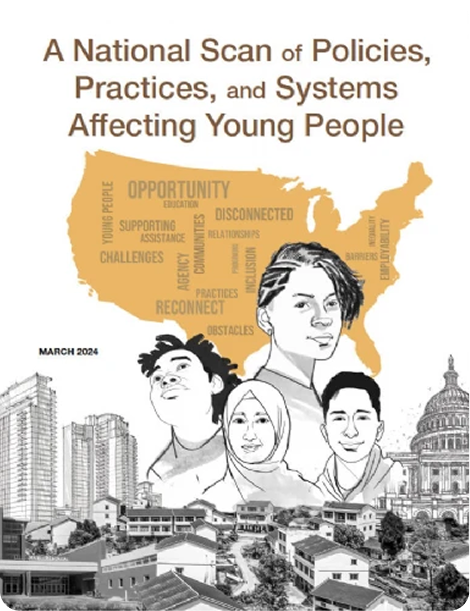
This section describes the programs analyzed that specifically target the two populations of interest, the services and practices they use, and factors that facilitate or complicate program implementation to better understand what works to better support young people. Overall, programs analyzed were generally less than 15 years old, were generally operated by community-based organizations using public funding and were located in urban areas.
Program Characteristics
Job Preparation
About 60% of programs analyzed offered job preparation services to participants to support young people’s workforce readiness skill development.
Mental Health Services
Over half of programs scanned supported young people’s mental health through on-site or off-site therapy, behavioral health curricula, or CBT.
Case Management
Approximately 70% of programs with evaluation studies utilized case management to implement supportive services like mental health and job preparation.
Education Attainment
In tandem with youth development and employment services, nearly half of programs studied provided services to help participants earn a high school credential.
Promoting Participant Engagement
Strong Participant - Adult Relationships
Evaluation studies noted that building strong and meaningful relationships between staff and participants through consistent and informal communication is critical to engaging young people in services.
Training & Retaining Staff
To support strong participant-adult relationships, studies demonstrated the need to offer training and development opportunities that equip staff to deliver services as designed and sustain relationships.
Connect Participants to Other Resources
Since services like health care, SNAP benefits, educational opportunities, and legal assistance are often fragmented and not coordinated, direct partnerships be-tween programs can help participants gain access to them.
Flexibility With Engagement
Programs should be flexible about how participants move through different phases and activities. Studies reported that young people may stop attending for a time, and then may reengage in response to staff outreach efforts.
Promising Strategies for Implementation
Low Case Loads
Small case-manager caseloads were described in the studies as being fewer than 12 to 25 young people per case manager, to support strong relationships with participants and flexible engagement with young people. Therapist caseloads were smaller, not exceeding six families.
Transitional Jobs that Meet Participant Goals & Needs
Transitional employment builds participants’ readiness for employment while providing an income. Programs studied successfully implementing transitional employment align jobs with participants interests and long-term goals.
Build Partnerships with Local Employers
Programs studied needed to devote staff time to developing job opportunities outside of the program by building relationships with local employers, identifying job openings that might be appropriate for program participant, and assisting with their job search efforts.
Ongoing Job Support
To support job retention and persistence in school, follow-up services and alumni programs were seen as valuable to staff and program participants in a small number of programs. However, programs found it difficult to stay in touch with participants after program completion.
Culturally Competent Mental Health Services
Mental health services are essential for many young people, but access can be a challenge because of limited providers of youth-friendly and culturally competent services. Programs with in-house mental health services more easily connected participants to these services.
Mentoring
Mentors, who leverage strong relationships, can be transformative young people. However, mentors are often difficult to recruit and retain and the effectiveness of their services vary because of variation in implementation of curriculum. Programs utilizing mentoring need to train and support mentors.
Policy and System Implications
- Change disciplinary policies in the K-12 system that push young people out of schools and into the juvenile or criminal legal systems.
- Remove barriers that prevent access to employment, housing, safety net benefits, and mental health services for justice-involved people.
- Meet the developmental needs of young people at different stages of adolescence and adulthood, based on research that suggests brain development continues into the mid-20s.
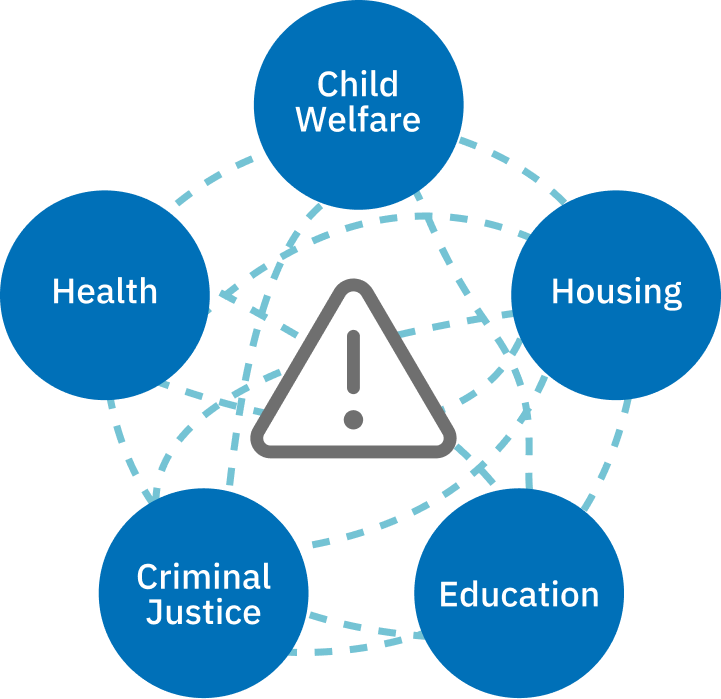
- Increase service coordination and data sharing among systems that serve young people.
- Fund programs at true cost by supporting the full scope of need for evidence-based programs and practices.
- Test policies and partnerships for large-scale employer engagement in employing young people in quality jobs.
Learn About CTOP, One Of Dalio Education's Premier Initiatives
The Connecticut Opportunity Project (CTOP), a social investment fund within Dalio Education, invests in non-profit organizations in Connecticut working with young people who are severely off-track and disconnected. Through long-term partnerships, CTOP provides financial and non-financial resources, supporting grantee partners in strengthening their organizational capacity and ability to consistently deliver positive, long-term outcomes for young people.